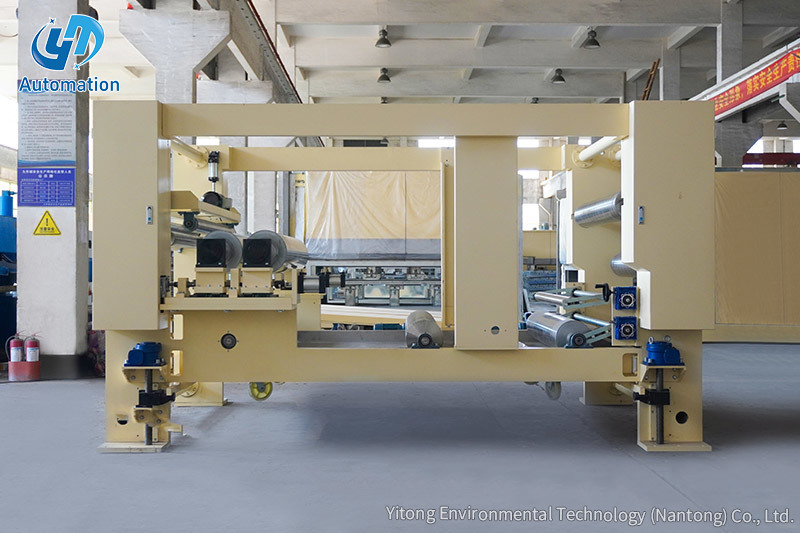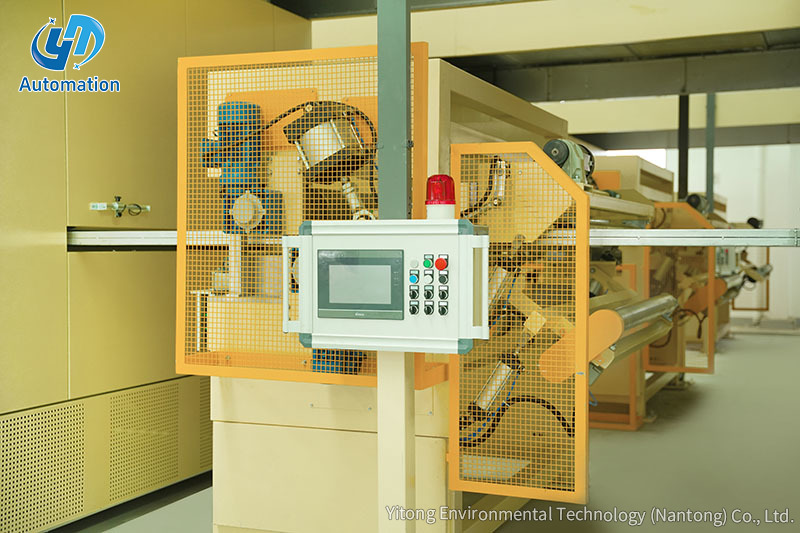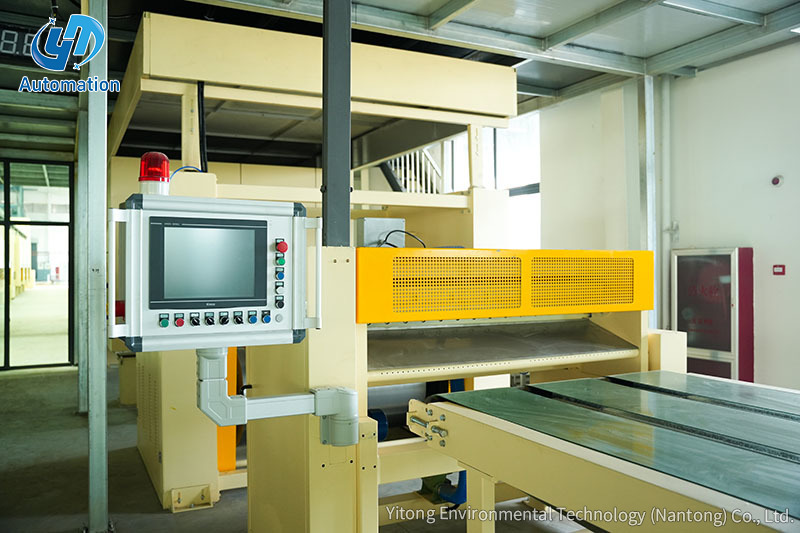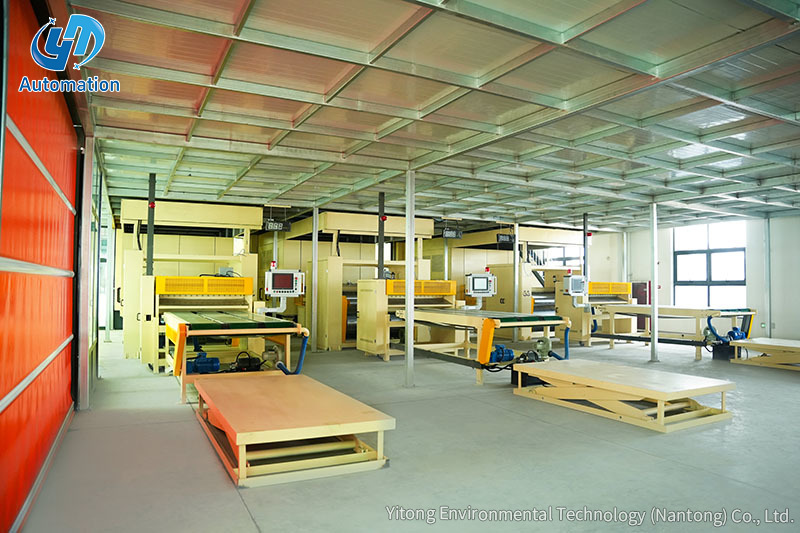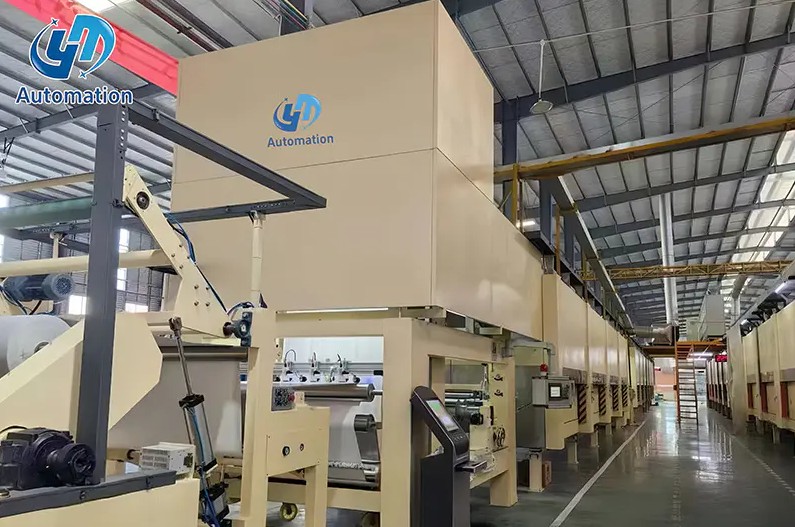
Ani A Odwijak obrotowy ani krajarka odwijająca nie jest uniwersalnie lepsza — właściwy wybór zależy całkowicie od przebiegu produkcji, rodzaju materiału, wymiarów rolek i tego, czy cięcie wzdłużne jest wymaganą częścią procesu . Odwijak obrotowy doskonale nadaje się do ciągłego, szybkiego podawania wstęgi z precyzyjną kontrolą naprężenia w szerokim zakresie gramatur i szerokości rolek. Krajarka odwijająca łączy odwijanie z cięciem wzdłużnym w jedną maszynę, co zmniejsza zajmowaną powierzchnię i liczbę etapów obsługi, ale zwiększa złożoność mechaniczną i ogranicza elastyczność każdej funkcji niezależnie. Zrozumienie, gdzie każda maszyna działa najlepiej, jest kluczem do dokonania właściwej inwestycji kapitałowej.
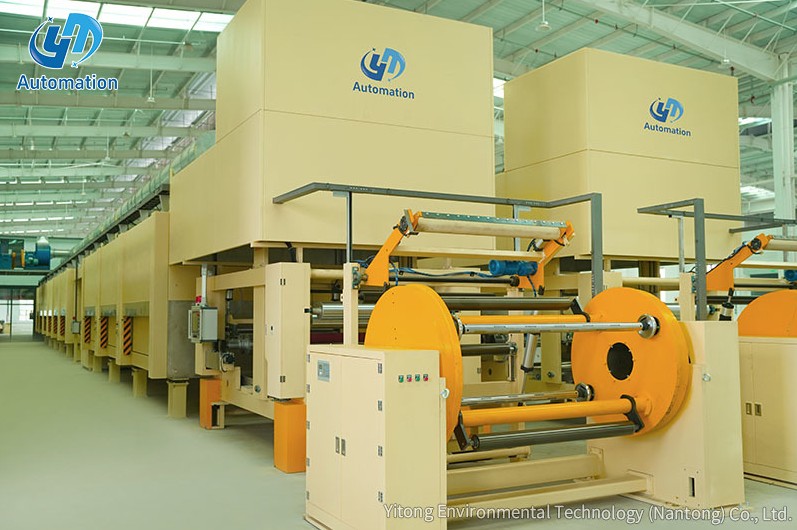
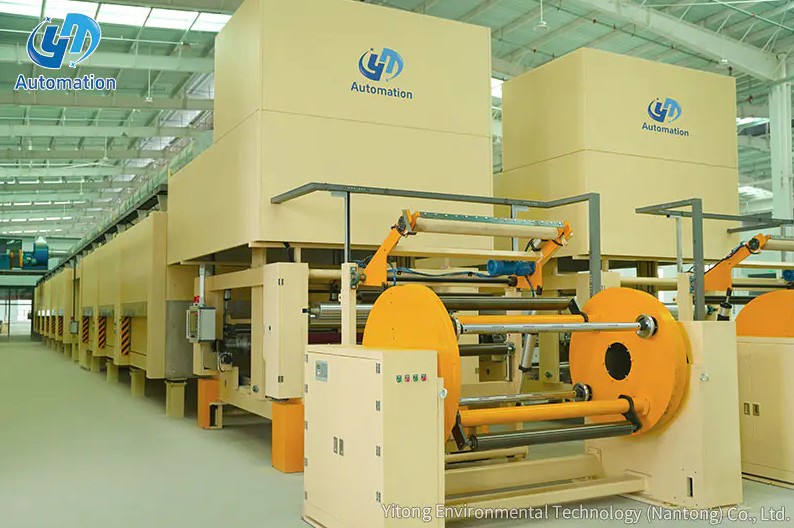
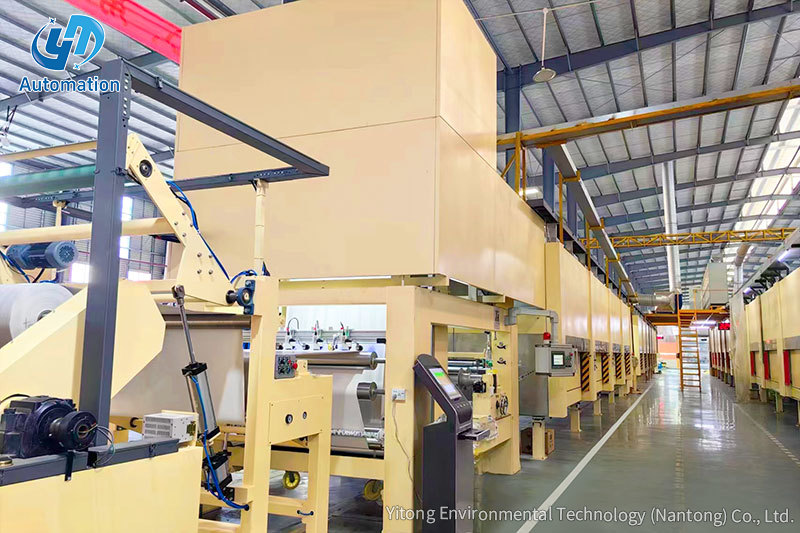
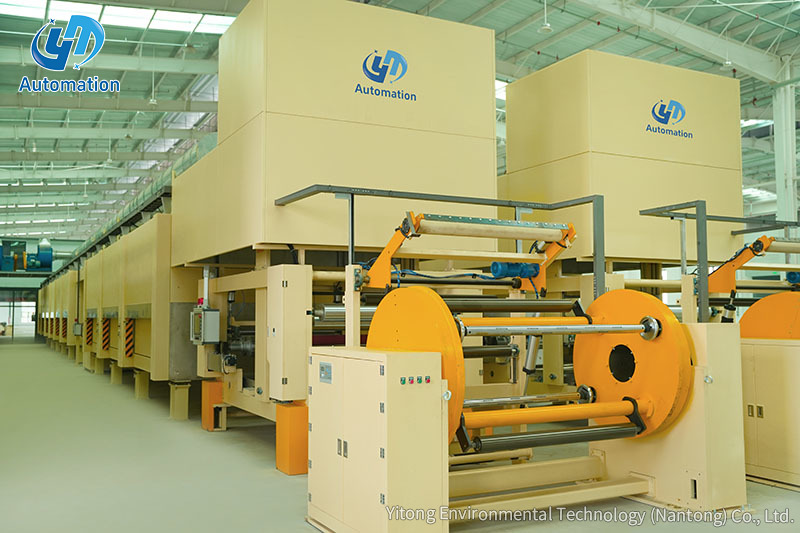
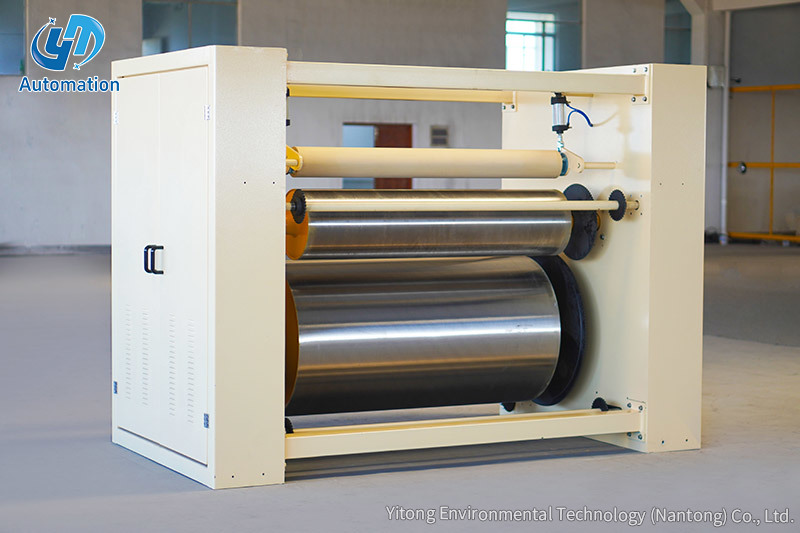
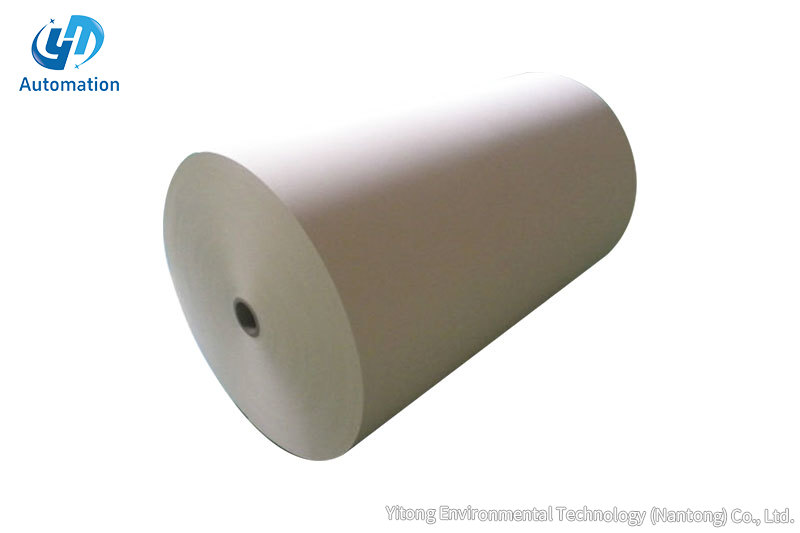
A Odwijak obrotowy to dedykowana maszyna podająca wstęgę, która odwija rolki elastycznego materiału — folii, folii, papieru, włókniny, tekstyliów lub laminatu — i dostarcza ciągłą wstęgę o kontrolowanym naprężeniu do dalszej linii produkcyjnej. Konstrukcja obrotowa oznacza, że rolka jest zamontowana poziomo na napędzanym wrzecionie lub wałach i obracana z kontrolowaną prędkością w celu dopasowania do zapotrzebowania linii, z automatyczną regulacją naprężenia utrzymującą spójne zachowanie wstęgi podczas zmiany średnicy rolki z pełnej do pustej.
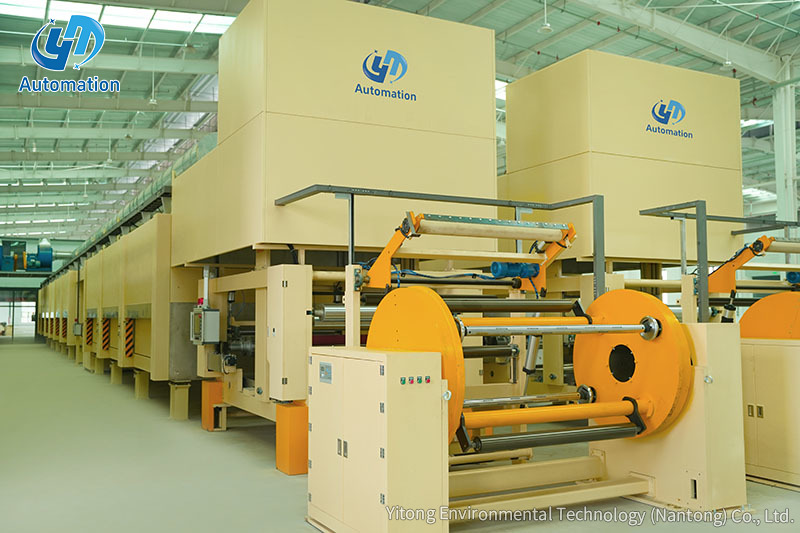
Odwijaki obrotowe są standardowym wyborem, gdy:
Krajarka odwijająca — zwana także krajarką-odwijakiem lub odwijakiem kombinowanym — łączy w jednej maszynie funkcję odwijania z wbudowanymi ostrzami rozcinającymi i sekcją przewijania. Rolka jest rozwijana, wstęga przechodzi przez stację rozcinającą, gdzie ostrza okrągłe lub żyletki dzielą ją na wiele węższych pasów, a każdy pas jest jednocześnie przewijany na oddzielną gotową rolkę.
Projekt kombinowany wprowadza ograniczenia, które stają się istotne w elastycznych lub wysokowydajnych środowiskach produkcyjnych:
| Czynnik | Odwijak obrotowy | Odwijak krajarki |
|---|---|---|
| Funkcja podstawowa | Dedykowane podawanie wstęgi z kontrolą naprężenia | Odwijanie połączone z rozcinaniem i przewijaniem w linii |
| Pojemność rolki | Do 5000 kg i więcej (modele do dużych obciążeń) | Zwykle od 500 do 2000 kg (kompromis konstrukcyjny) |
| Elastyczność procesu | Wysoka — zasila każdy dalszy proces | Ograniczone do operacji cięcia wzdłużnego |
| Wymagana powierzchnia podłogi | Większy (osobne maszyny dla każdej funkcji) | Mniejszy (łączny obszar maszyny) |
| Szybkość zmiany (zmiana rolki) | Szybko – nie ma potrzeby zmiany położenia ostrza | Wolniej — pozycje ostrzy muszą być resetowane podczas każdego przebiegu |
| Precyzja kontroli napięcia | Wysoka — dedykowany jednej funkcji | Dobra — zoptymalizowana specjalnie pod kątem jakości szczeliny |
| Koszt kapitału (pojedyncza jednostka) | Niższa na jednostkę; wyższa suma, jeśli konieczne jest cięcie wzdłużne | Wyższe na jednostkę; niższa suma dla dedykowanych linii do cięcia wzdłużnego |
| Współzależność konserwacji | Brak — każda maszyna konserwowana niezależnie | Konserwacja krajarki eliminuje również funkcję odwijania |
| Najlepiej nadaje się do | Linie wieloprocesowe, ciężkie rolki, różnorodne materiały | Dedykowane cięcie na dużą skalę ze spójnymi wzorami szczelin |
A Odwijak obrotowy jest lepszą inwestycją, jeśli w przypadku Twojej działalności ma zastosowanie jeden lub więcej z poniższych warunków:
Krajalnica odwijająca zapewnia lepszą wartość, gdy:
Badanie efektywności produkcji przeprowadzone w 2022 r. w zakresie przetwórstwa w sektorze opakowań elastycznych wykazało, że linie produkcyjne korzystające z oddzielnego sprzętu do odwijania i cięcia osiągnęły o 18% wyższą ogólną efektywność sprzętu (OEE) w porównaniu do połączonych konfiguracji krajarko-odwijarki, głównie ze względu na skrócenie zaplanowanych przestojów podczas zmian układu szczelin i szybsze odzyskiwanie po nieplanowanych zdarzeniach konserwacyjnych krajarki. (Źródło: Dziennik TAPPI, Web Handling and Converting Equipment Efficiency Benchmarks, tom 21, 2022)
Jeśli dedykowana odwijarka obrotowa jest właściwym wyborem dla Twojej linii, oto najważniejsze specyfikacje do oceny i porównania:
| Specyfikacja | Czego szukać | Dlaczego to ma znaczenie |
|---|---|---|
| Maksymalna waga rolki | Dopasuj do najcięższej rolki plus 20% marginesu bezpieczeństwa | Niewymiarowe łożyska wrzeciona przedwcześnie ulegają uszkodzeniu pod długotrwałym obciążeniem |
| Maksymalna średnica rolki | Typowy zakres: 600 mm do 1500 mm | Określa, czy duże rolki można drukować bez wstępnego cięcia |
| Kompatybilność średnicy rdzenia | 76 mm, 152 mm lub niestandardowe — potwierdź u swojego dostawcy | Niedopasowanie rdzenia uniemożliwia montaż lub powoduje drgania wrzeciona |
| Zakres kontroli napięcia | Napęd serwo ze sprzężeniem zwrotnym tancerza lub ogniwa obciążnikowego | Stałe napięcie od pełnej rolki do końca papieru zapobiega pękaniu wstęgi |
| Zakres szerokości sieci | Musi zakrywać najwęższy i najszerszy materiał | Strefy prowadzenia krawędzi i naprężenia muszą obejmować całą szerokość materiału |
| Maksymalna prędkość linii | Upewnij się, że prędkość odwijacza jest zgodna z prędkością linii końcowej | Niedopasowanie prędkości powoduje zwisanie sieci lub nadmierne napięcie |
| Możliwość łączenia | Łączenie ręczne, półautomatyczne lub latające | Latające łączenie eliminuje zatrzymywanie linki podczas zmiany rolek na liniach ciągłych |
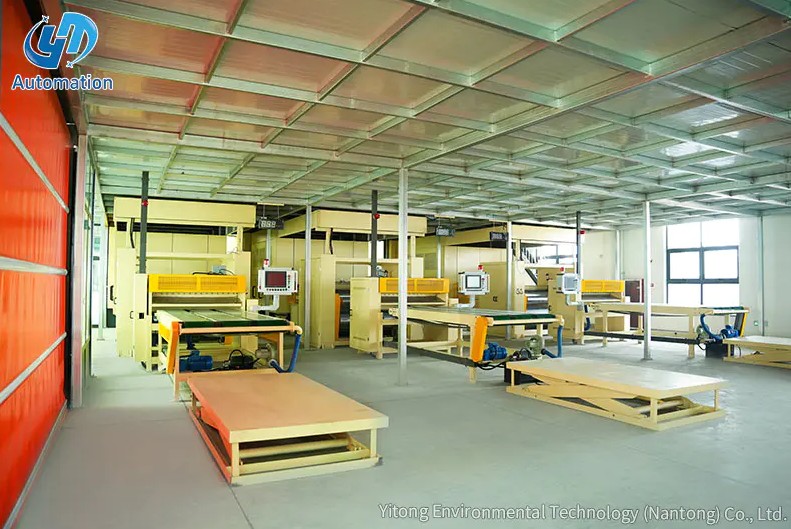
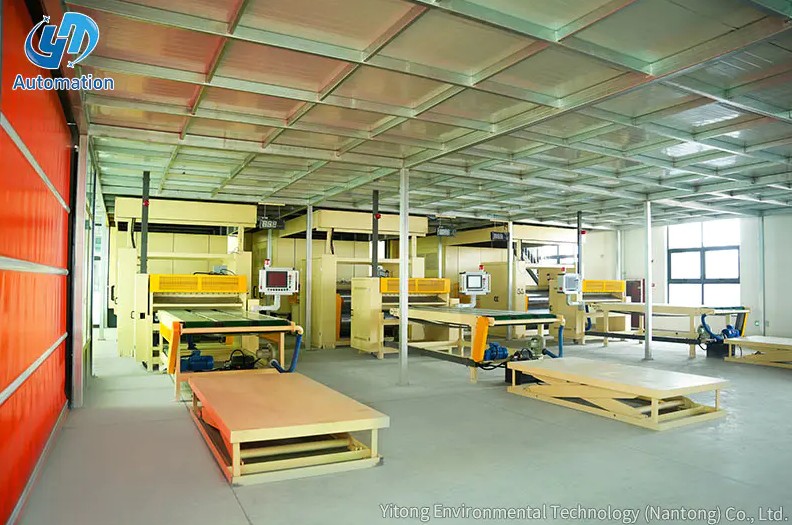
The Odwijak obrotowy Ytinte został zaprojektowany tak, aby spełniać te krytyczne specyfikacje dla przemysłowych linii do przetwarzania wstęgi, oferując zarządzanie naprężeniem sterowanym serwo, udźwig rolki o dużej wytrzymałości i elastyczną kompatybilność rozmiaru rdzenia. Zostało zaprojektowane jako samodzielne rozwiązanie do podawania, które łatwo integruje się z dalszymi operacjami drukowania, powlekania, laminowania lub cięcia — co czyni go właściwą podstawą dla wieloprocesowych linii produkcyjnych, w których priorytetem jest elastyczność procesu i czas sprawności.
| Twoja sytuacja produkcyjna | Lepszy wybór |
|---|---|
| Linia wieloprocesowa z nadrukiem, powlekaniem lub laminowaniem przed rozcięciem | Odwijak obrotowy |
| Rolki ciężkie powyżej 1500 kg | Odwijak obrotowy |
| Częste zmiany wzoru szczelin w ciągu dnia | Odwijak obrotowy (oddzielna krajarka) |
| Szeroka gama rodzajów i grubości materiałów | Odwijak obrotowy |
| Dedykowane cięcie na dużą skalę ze stałymi wzorami | Odwijak krajarki |
| Bardzo ograniczona powierzchnia podłogi, obsługa jednego zadania | Odwijak krajarki |
| Pojedynczy zakup z ograniczonym budżetem, przeznaczony wyłącznie do cięcia wzdłużnego | Odwijak krajarki |
Praktyczny wniosek: dla najbardziej elastycznych środowisk produkcyjnych, gdzie liczy się różnorodność procesów, różnorodność materiałów i czas sprawności, dedykowany Odwijak obrotowy w połączeniu z oddzielną krajarką zapewnia doskonałą długoterminową wydajność i elastyczność. Krajalnica odwijająca jest właściwym narzędziem specjalnie do operacji, w których cięcie wzdłużne jest jedynym i spójnym zadaniem produkcyjnym z przewidywalnymi wzorami i możliwymi do kontrolowania ciężarami rolek.
Skontaktuj się z nami
Polecane produkty
Wejdźmy
Dotykać
Yitong Environmental Technology (Nantong) Co., Ltd jest producentem specjalizującym się w sprzęcie do impregnacji.

Skontaktuj się z nami
Phone: +86-19555016088
Email: [email protected]
Add:Na południe od Haiyan Road, na zachód od Nanhai Road, strefa demonstracyjna wspólnego rozwoju rzeki Jangcy i Morza Tongzhou Bay, Jiangsu, Chiny